
 EN
EN

Modern drivers depend heavily on their mobile devices for navigation, communication, and entertainment during long journeys. A reliable car charger has become an essential accessory that ensures your devices remain powered throughout your travels. Understanding which features truly matter can help you make an informed decision when selecting the perfect charging solution for your vehicle. The market offers countless options, but not all car charger models deliver the same level of performance, safety, and convenience.
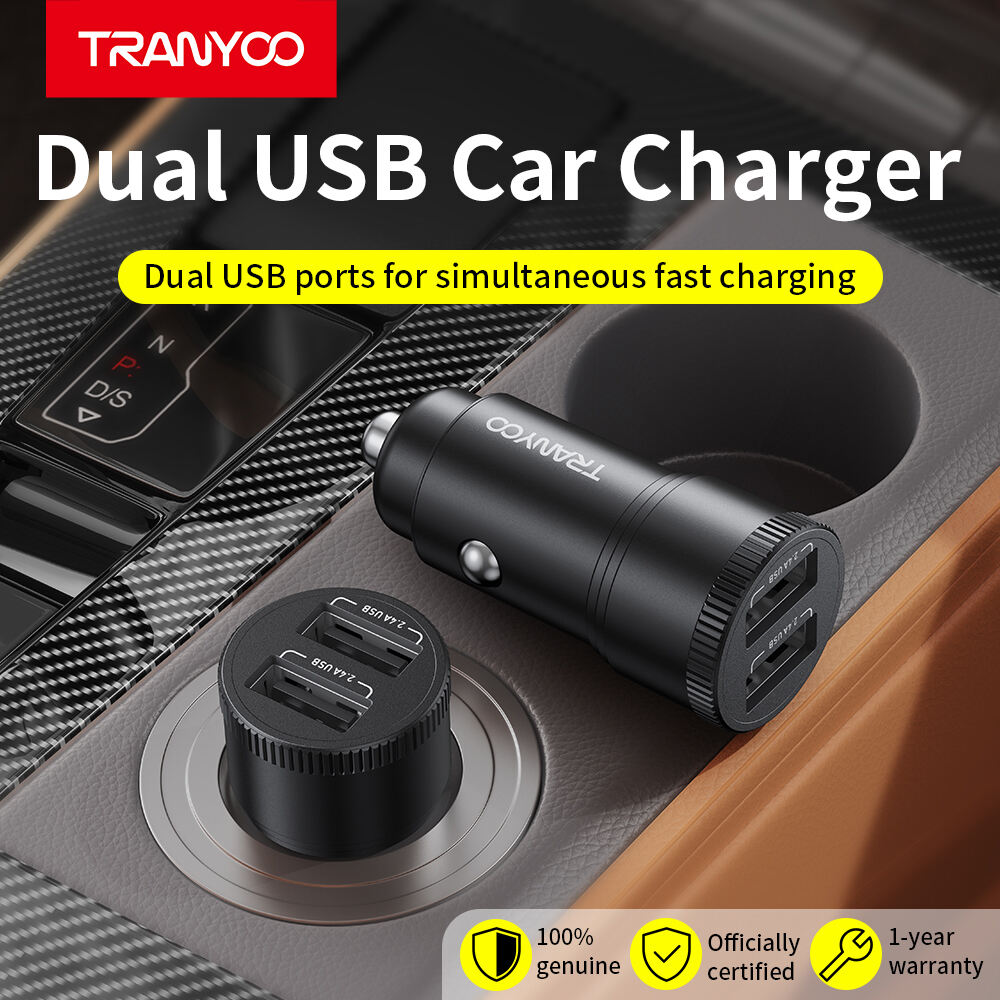
The automotive charging landscape has evolved significantly over the past decade, with manufacturers introducing advanced technologies that enhance both charging speed and device protection. Today's consumers expect their car charger to deliver fast, safe, and reliable power delivery while maintaining compatibility across multiple device types. Whether you drive a compact sedan or a large SUV, the right charging solution can transform your driving experience by keeping all your essential devices fully charged and ready for use.
Power Output and Charging Speed Considerations
Understanding Wattage Requirements
The power output capacity of your car charger directly impacts how quickly your devices will charge while driving. Most standard car charger units provide between 12 and 24 watts of power, which sufficiently charges smartphones and basic electronics. However, modern tablets, laptops, and high-end smartphones often require higher wattage levels to achieve optimal charging speeds. Professional drivers and frequent travelers should consider car charger models that offer 30 watts or more to ensure rapid power delivery.
Fast charging technology has revolutionized how we power our devices on the road. Many contemporary car charger options support Quick Charge 3.0, Power Delivery, or proprietary fast charging protocols that can charge compatible devices up to four times faster than standard chargers. These advanced charging standards automatically detect your device's maximum charging capacity and deliver the optimal power level without risking damage to your device's battery.
Multiple Port Configuration Benefits
Single-port car charger models may suffice for solo drivers, but families and business professionals often need to charge multiple devices simultaneously. Dual-port and multi-port configurations allow passengers to charge their phones, tablets, GPS devices, and other electronics without competing for charging access. When evaluating multi-port options, ensure that the total power output is sufficient to charge all connected devices at reasonable speeds without significant power distribution compromises.
Smart power allocation technology represents a significant advancement in multi-port car charger design. These intelligent systems automatically distribute available power among connected devices based on their individual charging requirements and current battery levels. This ensures that each device receives optimal charging current while preventing power waste and reducing overall charging times across all connected electronics.
Safety Features and Protection Mechanisms
Overcurrent and Overvoltage Protection
Vehicle electrical systems can experience voltage fluctuations, especially during engine startup or when other high-power accessories are operating. A quality car charger incorporates multiple protection circuits that safeguard both the charger itself and your connected devices from potentially damaging electrical conditions. Overcurrent protection prevents excessive current flow that could damage sensitive electronic components, while overvoltage protection shields devices from harmful voltage spikes.
Temperature monitoring and thermal protection represent critical safety features that prevent overheating during extended charging sessions. High-quality car charger units include built-in temperature sensors that monitor operating conditions and automatically reduce power output or shut down completely if dangerous temperature levels are detected. This protection mechanism is particularly important during summer months when vehicle interiors can reach extreme temperatures that stress electronic components.
Short Circuit and Surge Protection
Electrical shorts can occur due to damaged cables, moisture infiltration, or manufacturing defects in connected devices. Professional-grade car charger models include sophisticated short circuit detection that immediately cuts power when irregular current paths are detected. This rapid response capability prevents potential fires, protects vehicle electrical systems, and preserves the integrity of your valuable electronic devices.
Power surge protection becomes especially important in vehicles with older or modified electrical systems. Lightning strikes, alternator malfunctions, or electrical system repairs can generate dangerous power surges that travel through your vehicle's 12V system. Advanced car charger units incorporate surge suppression circuits that absorb and redirect excess electrical energy before it reaches your connected devices.
Build Quality and Durability Standards
Material Construction and Heat Dissipation
The physical construction of your car charger significantly impacts its longevity and performance under demanding automotive conditions. Premium car charger models utilize high-grade aluminum or reinforced plastic housings that provide excellent heat dissipation while resisting impact damage from drops or vibrations. Metal construction typically offers superior thermal management, allowing the charger to maintain optimal operating temperatures during heavy use periods.
Heat dissipation capabilities become critical when charging multiple high-power devices simultaneously or during extended driving sessions in hot climates. Well-designed car charger units feature strategic ventilation channels, heat sinks, or thermal pads that efficiently transfer generated heat away from sensitive internal components. Poor heat management can lead to reduced charging speeds, premature component failure, and potential safety hazards.
Connector Reliability and Cable Management
The physical connection between your car charger and vehicle power outlet experiences constant stress from vibrations, temperature changes, and repeated insertion cycles. High-quality car charger models feature reinforced connector housings with spring-loaded contacts that maintain secure electrical connections even on rough roads. Gold-plated connectors resist corrosion and provide consistent electrical contact over thousands of use cycles.
Cable management features enhance both convenience and safety by reducing clutter and preventing cable damage. Some car charger designs include retractable cables, magnetic cable management clips, or integrated cable storage compartments that keep charging cables organized and accessible. These features prevent cables from interfering with driving controls while protecting them from wear caused by constant movement and temperature fluctuations.
Compatibility and Universal Design Features
Device Recognition and Charging Protocols
Modern smartphones, tablets, and other portable devices utilize various charging protocols and connector types. A versatile car charger should automatically recognize connected devices and select the appropriate charging protocol to ensure optimal power delivery. Universal compatibility eliminates the need for multiple chargers and ensures that your charging solution remains useful as you upgrade devices or travel with friends and family members who use different device brands.
USB-C Power Delivery support has become increasingly important as more manufacturers adopt this versatile connector standard. PD-compatible car charger models can charge everything from smartphones to laptops using a single port, providing unprecedented flexibility for mobile professionals. These advanced chargers negotiate power requirements with connected devices and deliver precise voltage and current levels that maximize charging efficiency while protecting battery longevity.
Legacy Device Support and Adapter Compatibility
While newer devices embrace standardized charging protocols, many users still rely on older electronics with proprietary charging requirements. A comprehensive car charger solution should accommodate both current and legacy devices through multiple port types or adapter compatibility. This forward and backward compatibility ensures that your investment remains valuable as technology continues evolving.
Wireless charging integration represents an emerging feature that eliminates cable management concerns entirely. Some advanced car charger systems include wireless charging pads that mount conveniently within reach of the driver or passengers. These systems maintain device charge levels during short trips while providing traditional wired charging options for rapid power delivery when needed.
Installation Convenience and Vehicle Integration
Mounting Options and Placement Flexibility
The installation method of your car charger affects both accessibility and aesthetic integration with your vehicle's interior. Plug-in car charger models offer simple installation but may protrude awkwardly from dashboard power outlets. Hardwired installations provide cleaner integration and can include multiple charging points throughout the vehicle, though they require more complex installation procedures.
Dashboard integration and console mounting options allow car charger placement in convenient locations without compromising vehicle aesthetics. Some car charger systems include adjustable mounting brackets that accommodate various vehicle interior configurations. These flexible mounting solutions ensure optimal placement for driver and passenger access while maintaining clean sight lines and preserving interior design elements.
Cable Length and Reach Considerations
Adequate cable length ensures that all vehicle occupants can comfortably access charging capabilities without straining cables or creating safety hazards. Standard car charger cables typically measure between three and six feet, which suffices for most front-seat applications. However, larger vehicles or rear-seat charging requirements may necessitate longer cables or extension solutions that maintain charging performance.
Cable routing and management become important considerations in vehicles where charging points are located far from typical device usage areas. Professional installations may include cable channels, clips, or conduits that guide charging cables along interior trim pieces. These routing solutions provide clean cable management while protecting wires from wear and damage caused by passenger movement or cargo shifting.
Smart Features and Advanced Functionality
LED Indicators and Status Monitoring
Visual feedback systems help users monitor charging status and identify potential issues without constantly checking device screens. Quality car charger models include LED indicators that display power status, charging progress, and fault conditions through intuitive color coding. These indicators provide valuable information about charging performance while remaining subtle enough not to distract drivers during nighttime driving.
Advanced car charger systems may include digital displays that show real-time charging current, voltage levels, and estimated completion times. These detailed readouts appeal to technology enthusiasts and professional users who want comprehensive monitoring of their charging systems. However, simpler indicator systems often provide sufficient information for most users while maintaining lower costs and reduced complexity.
Automatic Shutoff and Energy Management
Intelligent power management features help preserve vehicle battery life while ensuring devices remain charged when needed. Some car charger models include automatic shutoff functionality that stops power delivery when the vehicle ignition is turned off, preventing accidental battery drain during extended parking periods. These systems may include timer functions that allow continued charging for predetermined periods after engine shutdown.
Energy efficiency optimization reduces power waste and minimizes heat generation during charging operations. Modern car charger designs incorporate switching power supplies and intelligent charging algorithms that deliver precise power levels based on device requirements. This efficiency focus extends vehicle battery life, reduces fuel consumption, and maintains optimal charging temperatures during extended use periods.
FAQ
How do I determine the right wattage for my car charger needs
The ideal wattage depends on your specific devices and charging requirements. Smartphones typically charge well with 12-18 watts, while tablets may require 20-30 watts for optimal speed. If you plan to charge laptops or multiple devices simultaneously, consider car charger models offering 45 watts or higher. Check your device specifications to determine maximum charging speeds, then select a charger that meets or exceeds these requirements while including safety margins for reliable operation.
Can using a high-wattage car charger damage my devices
Quality car charger models with proper safety certifications will not damage your devices, regardless of their maximum power output. Modern charging systems automatically negotiate power delivery with connected devices and provide only the current and voltage that each device can safely accept. However, avoid cheap, uncertified chargers that may lack proper regulation circuits. Always choose car charger products from reputable manufacturers that include comprehensive protection features and safety certifications.
What safety certifications should I look for in a car charger
Look for car charger models that carry FCC, CE, and UL certifications, which indicate compliance with safety and electromagnetic compatibility standards. Additional certifications like RoHS demonstrate environmental responsibility and material safety. QC 3.0 or PD certification ensures compatibility with fast charging protocols. These certifications indicate that the car charger has undergone rigorous testing for safety, performance, and reliability under automotive operating conditions.
How can I extend the lifespan of my car charger
Proper care significantly extends car charger lifespan and maintains optimal performance. Avoid exposing the charger to extreme temperatures by removing it during hot summer days or storing it in cooler areas. Keep connectors clean and dry to prevent corrosion, and avoid yanking cables or forcing connections. Regularly inspect cables for damage and replace them promptly if wear is detected. Choose installation locations that minimize vibration and protect the car charger from physical damage during normal vehicle use.