
 EN
EN
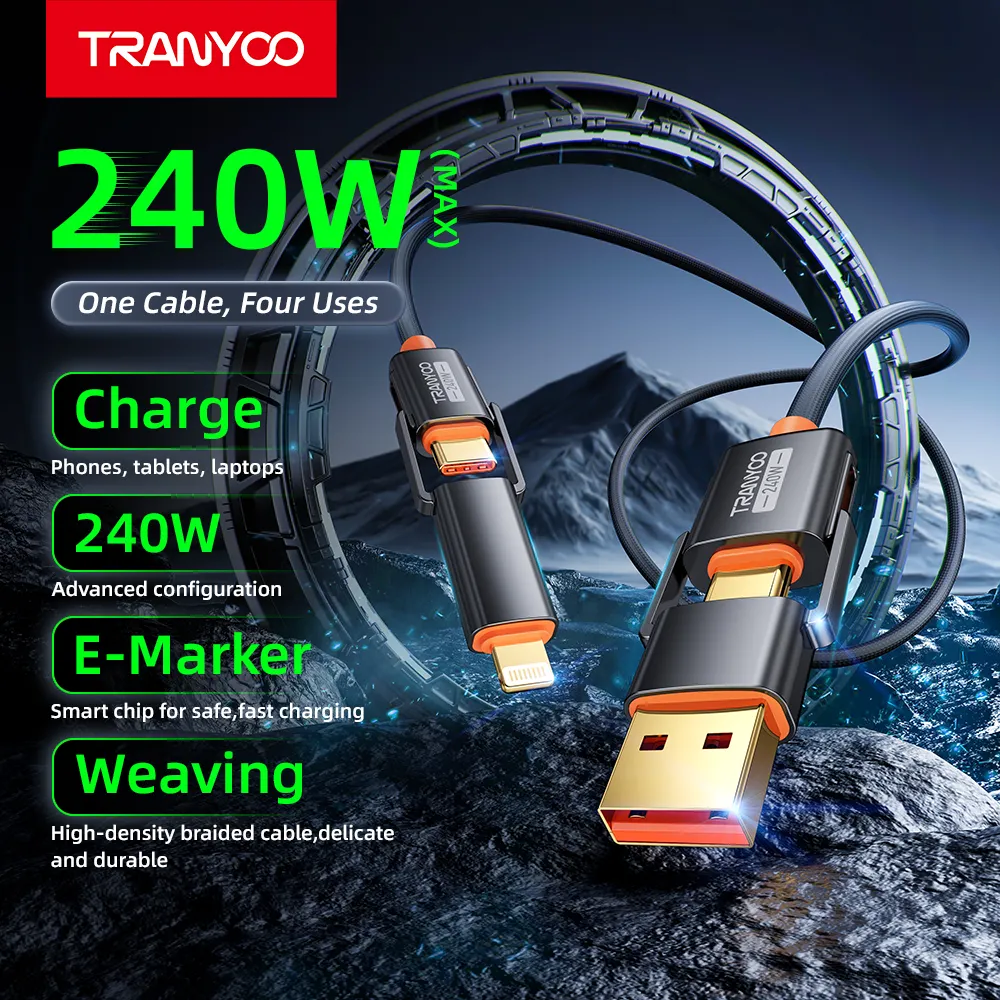
The modern business landscape demands robust connectivity solutions, and sourcing reliable data cables in bulk has become a critical procurement challenge for B2B buyers. Organizations across industries require consistent, high-quality cable infrastructure to support their operations, from telecommunications networks to industrial automation systems. Understanding the complexities of cable procurement involves evaluating supplier reliability, product specifications, and long-term cost considerations that directly impact operational efficiency.
Understanding Cable Quality Standards and Certifications
Industry Compliance Requirements
Professional cable procurement begins with understanding industry-specific compliance standards that govern product quality and performance. The telecommunications industry relies heavily on standards established by organizations like the International Electrotechnical Commission and the Telecommunications Industry Association. These standards ensure that every cable meets minimum performance thresholds for signal integrity, bandwidth capacity, and environmental resistance. Buyers must verify that their chosen cable suppliers maintain proper certifications and testing protocols to guarantee consistent product quality across large volume orders.
Cable manufacturers operating in regulated industries must demonstrate compliance through rigorous testing procedures and documentation. This includes flame retardancy ratings, electromagnetic interference shielding effectiveness, and mechanical durability under various environmental conditions. Professional buyers typically require detailed certification documentation before committing to substantial cable purchases, ensuring that products meet both current operational needs and future expansion requirements.
Performance Testing Methodologies
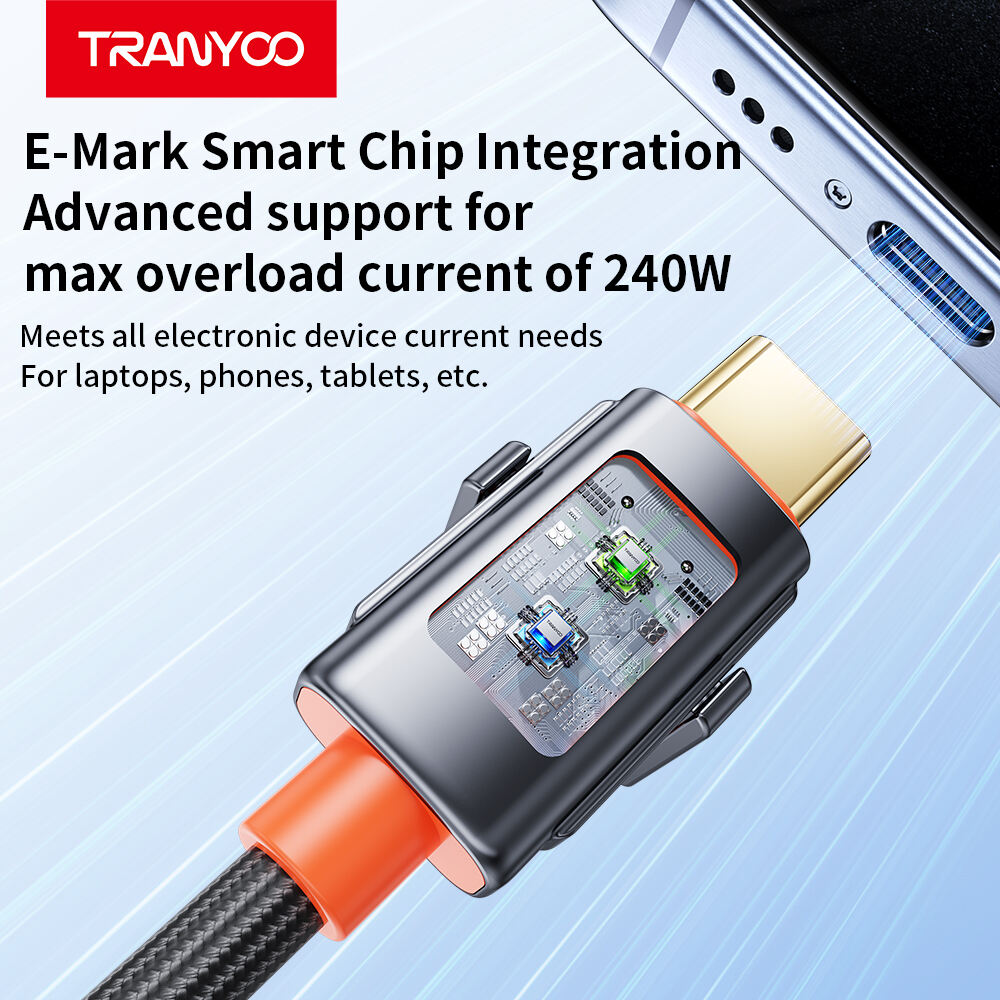
Comprehensive cable testing encompasses multiple performance parameters that directly affect network reliability and data transmission quality. Signal attenuation measurements determine how much signal strength degrades over specific cable lengths, while crosstalk testing evaluates electromagnetic interference between adjacent conductors. These technical specifications become particularly critical when organizations deploy extensive cable infrastructure supporting high-bandwidth applications or sensitive data transmission requirements.
Advanced testing methodologies also examine cable durability under mechanical stress, temperature variations, and humidity exposure. Professional cable suppliers provide detailed test reports covering insertion loss, return loss, and near-end crosstalk specifications that help buyers make informed decisions. Understanding these technical parameters enables procurement teams to select appropriate cable solutions that maintain performance standards throughout their operational lifespan.
Supplier Evaluation and Vendor Selection Criteria
Manufacturing Capabilities Assessment
Evaluating cable supplier manufacturing capabilities requires examining production capacity, quality control systems, and supply chain resilience. Established manufacturers typically operate multiple production facilities with redundant capacity to handle large-scale orders while maintaining consistent product quality. Buyers should assess supplier production volumes, lead times, and ability to scale manufacturing output during peak demand periods or emergency replacement scenarios.
Quality control systems within cable manufacturing facilities directly impact product consistency and reliability. Professional suppliers implement comprehensive inspection protocols at multiple production stages, from raw material verification through final product testing. These systems include automated testing equipment, statistical process control monitoring, and batch traceability systems that enable rapid identification and resolution of quality issues.
Supply Chain Reliability Factors
Cable supply chain reliability encompasses raw material sourcing, logistics capabilities, and inventory management systems that ensure consistent product availability. Suppliers with diversified material sources and established relationships with multiple component manufacturers typically demonstrate greater resilience during supply disruptions. This diversification becomes particularly important for specialized cable applications requiring specific conductor materials, insulation compounds, or shielding configurations.
Logistics capabilities include warehousing facilities, transportation networks, and order fulfillment systems that support timely delivery of bulk cable orders. Professional suppliers maintain strategic inventory locations that minimize shipping costs and delivery times while providing flexibility for emergency orders or expedited shipments. These logistical advantages become critical factors when organizations require rapid deployment of cable infrastructure or replacement of failed components.
Cost Optimization Strategies for Bulk Cable Procurement
Volume Pricing Structures
Understanding cable pricing structures helps buyers optimize procurement costs while maintaining quality standards and delivery requirements. Volume-based pricing typically offers significant cost reductions for larger orders, but buyers must balance these savings against inventory carrying costs and storage requirements. Professional procurement teams analyze total cost of ownership including purchase price, storage expenses, and potential obsolescence risks when determining optimal order quantities.
Long-term contract arrangements often provide additional cost advantages through price stability and preferential allocation during supply constraints. These agreements typically include provisions for volume commitments, delivery schedules, and quality specifications that benefit both buyers and suppliers. Negotiating favorable contract terms requires understanding market conditions, supplier capacity, and competitive alternatives within the cable industry.
Total Cost of Ownership Considerations
Comprehensive cost analysis extends beyond initial purchase price to include installation expenses, maintenance requirements, and expected service life. High-quality cable products typically command premium pricing but deliver superior long-term value through reduced failure rates, lower maintenance costs, and extended operational lifespan. Professional buyers evaluate these factors to determine the most cost-effective solutions for their specific applications and operational requirements.
Installation and deployment costs represent significant portions of total cable system expenses, particularly for complex network installations or challenging environmental conditions. Selecting cable products with superior handling characteristics, installation-friendly designs, and comprehensive technical support can substantially reduce deployment costs. These factors become especially important for large-scale installations where labor costs and project timelines directly impact overall project economics.
Technical Specifications and Application Requirements
Bandwidth and Performance Parameters
Modern cable applications demand specific performance characteristics that support current network requirements while providing capacity for future upgrades. Bandwidth specifications determine maximum data transmission rates, while impedance matching ensures optimal signal transfer between connected equipment. Professional buyers must understand how these technical parameters relate to their specific applications and ensure selected cable products exceed minimum performance requirements.
Signal integrity considerations become particularly critical for high-speed data applications where cable characteristics directly affect network performance. Factors such as propagation delay, skew tolerance, and jitter specifications influence overall system reliability and data accuracy. Understanding these technical requirements enables buyers to select appropriate cable solutions that support both current operational needs and anticipated technology upgrades.
Environmental and Installation Factors
Cable installation environments significantly influence product selection criteria, particularly for applications involving outdoor installations, industrial settings, or harsh operating conditions. Environmental factors include temperature extremes, moisture exposure, chemical resistance, and mechanical stress that affect cable performance and longevity. Professional cable products incorporate specialized materials and construction techniques designed to withstand specific environmental challenges.
Installation methodology considerations include cable flexibility, bend radius limitations, and pulling tension requirements that affect deployment efficiency and product reliability. Cables designed for specific installation methods typically incorporate features such as low-friction jacketing, reinforced construction, or specialized pulling grips that reduce installation time and minimize potential damage during deployment.
Quality Assurance and Testing Protocols
Incoming Inspection Procedures
Establishing comprehensive incoming inspection procedures ensures that bulk cable shipments meet specified quality standards and performance requirements. Professional organizations typically implement sampling protocols that verify critical parameters without requiring complete product testing of every cable segment. These inspection procedures include visual examination, dimensional verification, and electrical testing of representative samples from each shipment lot.
Documentation requirements for incoming cable shipments include test certificates, compliance declarations, and traceability records that support quality assurance programs. Suppliers providing comprehensive documentation enable buyers to maintain detailed records of product specifications, manufacturing dates, and performance characteristics. This documentation becomes essential for warranty claims, performance troubleshooting, and regulatory compliance requirements.
Ongoing Performance Monitoring
Continuous monitoring of installed cable performance provides valuable feedback for future procurement decisions and helps identify potential quality issues before they affect operations. Network monitoring systems can track signal quality, error rates, and performance degradation that may indicate cable-related problems. This monitoring data helps buyers evaluate supplier performance and make informed decisions about future cable purchases.
Long-term performance tracking also supports predictive maintenance programs that optimize cable replacement schedules and minimize unexpected failures. Understanding typical cable service life under specific operating conditions enables more accurate lifecycle planning and budget forecasting. This information becomes particularly valuable for organizations managing extensive cable infrastructure across multiple locations or applications.
FAQ
What are the key factors to consider when selecting a cable supplier for bulk orders
The most important factors include manufacturing capacity and quality control systems, supply chain reliability, technical support capabilities, and competitive pricing structures. Evaluate suppliers based on their production facilities, certification compliance, delivery performance history, and ability to provide technical assistance throughout the procurement and installation process. Additionally, assess their inventory management systems and logistics capabilities to ensure consistent product availability and timely delivery.
How do volume discounts typically work in cable procurement
Volume discounts in cable procurement typically follow tiered pricing structures where unit costs decrease as order quantities increase. Most suppliers offer graduated discount levels at specific quantity thresholds, such as 10,000 feet, 50,000 feet, and 100,000 feet or more. Long-term contracts often provide additional pricing advantages and may include provisions for blanket orders with scheduled releases to optimize inventory management while securing volume pricing benefits.
What quality certifications should buyers look for in professional cable suppliers
Professional cable suppliers should maintain ISO 9001 quality management certification, relevant industry-specific certifications such as UL listing or ETL recognition, and compliance with applicable standards like TIA/EIA for telecommunications cables. Additionally, suppliers serving specialized markets may require specific certifications such as military specifications, aerospace standards, or industrial automation compliance depending on the intended application requirements.
How can buyers ensure consistent cable quality across large volume orders
Ensuring consistent quality requires implementing comprehensive incoming inspection protocols, establishing clear specifications and acceptance criteria, and working with suppliers who maintain robust quality control systems. Request batch testing documentation, implement statistical sampling procedures for large shipments, and establish performance monitoring systems that track cable reliability over time. Regular supplier audits and performance reviews help maintain quality standards and identify potential issues before they affect operations.
Table of Contents
- Understanding Cable Quality Standards and Certifications
- Supplier Evaluation and Vendor Selection Criteria
- Cost Optimization Strategies for Bulk Cable Procurement
- Technical Specifications and Application Requirements
- Quality Assurance and Testing Protocols
-
FAQ
- What are the key factors to consider when selecting a cable supplier for bulk orders
- How do volume discounts typically work in cable procurement
- What quality certifications should buyers look for in professional cable suppliers
- How can buyers ensure consistent cable quality across large volume orders